Williams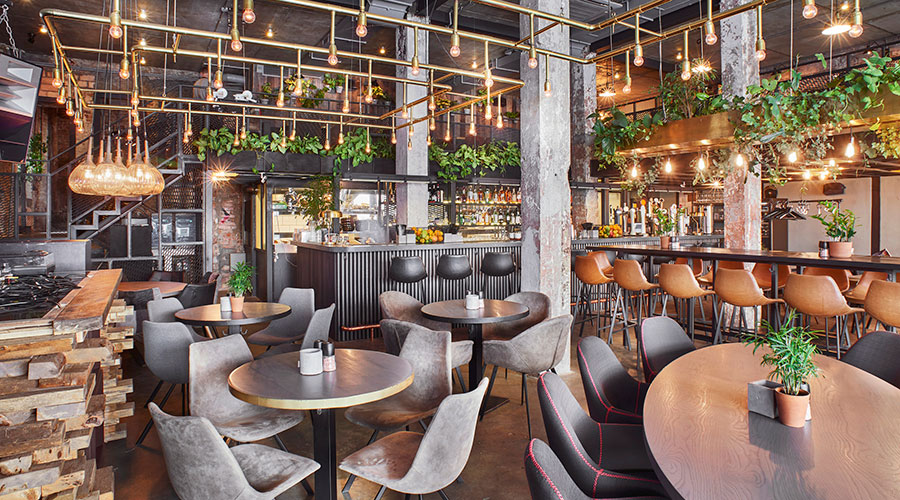
In the 21st century, a restaurant is no longer just a place to eat. It is a space where culture, innovation, and customer experience intersect. Modern restaurants are adapting to evolving consumer preferences by offering convenience, creativity, and immersive experiences. As competition grows, restaurants that embrace change are the ones thriving in today’s dynamic market.
If you are planning a wedding, corporate gathering, or private celebration and want professional drink service that elevates the entire experience, hiring experienced bartenders can make a big difference in guest satisfaction and event flow. Skilled bartenders not only serve drinks efficiently but also help create a welcoming and lively atmosphere tailored to your occasion. Whether you need signature cocktails, full bar setup, or simple beverage service, proper planning ensures everything runs smoothly from start to finish. Contact Proper Pour Events for bartending service Greensboro.
Experiential Dining: Beyond Food
Experiential dining has become a defining trend in the restaurant industry. Diners today are looking for more than just meals—they seek memorable experiences. Restaurants are responding by designing engaging atmospheres, themed interiors, and interactive culinary experiences.
Open kitchens, chef’s tables, and live cooking demonstrations allow diners to connect with the culinary process. Themed restaurants, whether cultural, retro, or futuristic, turn dining into an event. By prioritizing the experience, restaurants not only attract more customers but also create opportunities for social sharing and brand recognition.
Innovation in Restaurant Menus
The menu remains the heart of every restaurant. Modern diners expect creativity, variety, and options tailored to dietary preferences. Vegan, vegetarian, gluten-free, and low-calorie meals are now standard in many restaurants.
Restaurants are also embracing locally sourced ingredients and seasonal menus. Farm-to-table concepts emphasize freshness and sustainability while supporting local communities. Fusion cuisine, which blends flavors from different cultures, provides unique dining experiences that differentiate restaurants from competitors. By innovating menus, restaurants can attract a wider audience and foster customer loyalty.
Technology’s Role in Modern Restaurants
Technology has revolutionized the restaurant industry. Online reservations, digital menus, and food delivery apps enhance convenience for customers. Contactless payment and mobile ordering have become essential in the modern dining landscape.
AI and data analytics are helping restaurants improve operations by tracking customer preferences, managing inventory, and predicting popular menu items. Technology also allows for personalized experiences, such as recommending dishes based on past orders. A strong digital presence, including social media marketing, further expands a restaurant’s reach and visibility.
The Importance of Exceptional Service
While innovation and technology are critical, customer service remains a cornerstone of a successful restaurant. Friendly, knowledgeable, and attentive staff can turn a simple meal into a memorable experience. Personalized touches, like remembering diners’ favorite dishes or accommodating dietary needs, enhance customer satisfaction and loyalty.
Investing in staff training ensures consistent, high-quality service. Restaurants that prioritize service often receive positive reviews and build a strong reputation in the community, giving them an edge over competitors.
Sustainability and Ethical Practices
Sustainability is now a priority for many restaurants. Eco-friendly practices, such as reducing food waste, using biodegradable packaging, and sourcing ingredients responsibly, are becoming standard. Social responsibility, including fair labor practices and community engagement, further strengthens a restaurant’s image.
Restaurants that combine sustainability with quality food and excellent service attract socially conscious diners. Ethical practices not only benefit the environment and society but also help restaurants build long-term customer trust and loyalty.
Conclusion
Today’s restaurant is more than a place to eat; it is a destination for experience, innovation, and connection. Restaurants that focus on culinary creativity, exceptional service, technology integration, and sustainability are best positioned to thrive in the competitive dining landscape.
From casual eateries to fine dining establishments, restaurants are shaping the future of dining by creating experiences that go beyond the plate. A successful restaurant leaves diners satisfied with both the food and the memories, building lasting impressions that encourage repeat visits.
By embracing change, innovation, and customer-centric strategies, restaurants continue to evolve and define what it means to dine in the modern world.


 Rolando Corley