Rolando Corley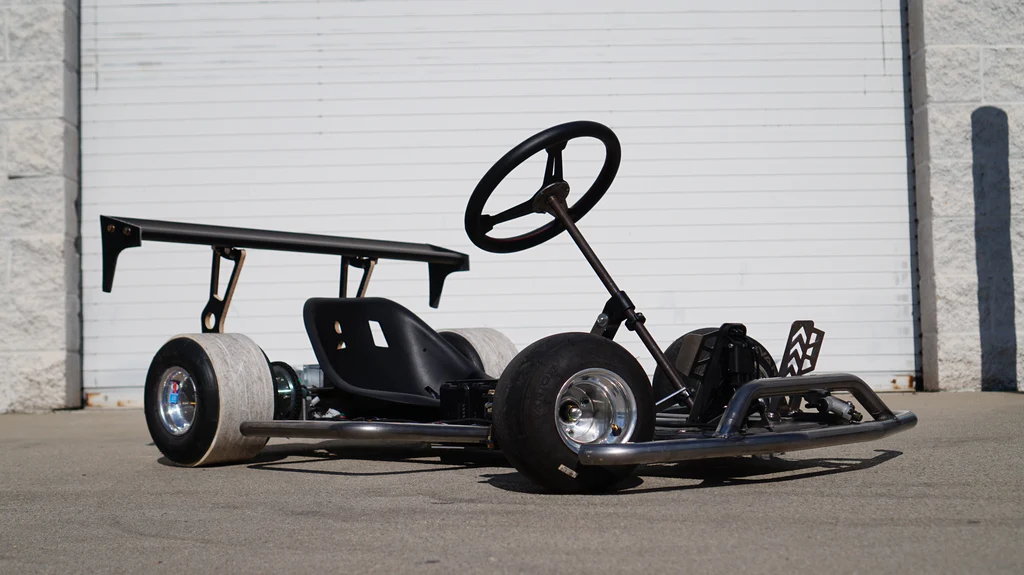
The world of motorsport has evolved to value not just speed but also precision, control, and technique. One of the most exciting developments in this area is drift karts, vehicles designed specifically for the art of drifting. Drift karts offer an accessible yet thrilling way to experience controlled slides, combining lightweight design, responsive handling, and rear-wheel drive dynamics. They have become increasingly popular among enthusiasts seeking a hands-on understanding of vehicle dynamics, as well as those who simply want a fun and challenging driving experience.
The Essence of Drift Karts
Drift karts are unique because they focus on controlled oversteer rather than maximum grip. While traditional go-karts are built for tight cornering and speed, drift karts are engineered to intentionally break rear traction in a smooth and predictable manner. This design enables drivers to maintain slides through corners while manipulating throttle and steering to control the angle and speed. The result is a driving experience that emphasizes skill, timing, and balance over raw velocity.
Design and Engineering Principles
At the core of drift karts is a design philosophy that prioritizes responsiveness and simplicity. Lightweight chassis construction ensures that every movement from the driver translates directly into vehicle behavior. Rear-wheel drive is essential for enabling drifts, while tire selection balances rear slip with front grip to maintain steering authority. Steering geometry is optimized for quick corrections, allowing drivers to confidently adjust their drift angle. These features combine to create a kart that is agile, precise, and rewarding to drive.
Popularity and Accessibility
One of the main reasons drift karts are gaining popularity is their accessibility. Full-sized drift cars often require significant financial investment, regular maintenance, and large tracks for safe operation. Drift karts lower these barriers, providing a platform that is easy to store, transport, and maintain. Their compact size allows use in indoor arenas and smaller outdoor circuits, attracting beginners, hobbyists, and experienced drivers alike. The affordability and convenience of drift karts make them an appealing choice for a wide range of enthusiasts.
Driving Dynamics and the Experience
Driving a drift kart is an immersive experience that engages all of the driver’s senses. Throttle control influences rear-wheel traction, steering manages drift angle, and body movement affects balance. The lightweight nature of drift karts makes weight transfer easy to feel, providing real-time feedback for developing precision driving skills. Maintaining a drift requires constant adjustments, fostering coordination, focus, and timing. This sensory engagement is what makes drift karts highly addictive for both newcomers and seasoned drivers.
Learning the Fundamentals of Drifting
Drift karts are an excellent tool for learning and refining drifting techniques. Beginners can experiment with throttle modulation, counter-steering, and drift initiation in a controlled environment. The lower speeds of karts compared to full-sized vehicles reduce the risk of accidents, allowing drivers to build confidence and develop muscle memory. Over time, drivers gain a better understanding of vehicle dynamics, which translates to improved performance in other motorsport disciplines.
Ideal Surfaces and Track Conditions
The performance of drift karts is heavily influenced by track surface. Smooth asphalt or polished concrete provides consistent traction, allowing predictable sliding and control. Indoor tracks are popular for their consistent conditions and year-round usability, while outdoor circuits offer more space for high-speed slides and varied layouts. Controlled environments ensure that drivers can focus on refining their technique rather than compensating for unpredictable surfaces.
Selecting the Right Drift Kart
Choosing the right drift kart depends on skill level and intended use. Beginners benefit from karts with moderate power and forgiving handling, allowing gradual improvement. Advanced drivers may prefer karts with adjustable steering, suspension, and throttle responsiveness for precise tuning. The ability to adapt a kart to different tracks and driving styles ensures that it remains challenging and enjoyable as skills progress.
Maintenance for Optimal Performance
Regular maintenance is crucial for drift karts due to the mechanical stress induced by constant sliding. Tires, steering components, brakes, and drivetrain systems should be routinely inspected and maintained. Tire wear, in particular, can significantly affect drift behavior and control. Keeping the kart in optimal condition ensures consistent handling, enhances safety, and allows drivers to focus on skill development rather than dealing with mechanical inconsistencies.
Safety Considerations
Safety is a key aspect of drift karting. Protective gear, including helmets, gloves, and proper clothing, is essential to reduce injury risk. Drift karts should only be used in designated areas free from traffic or obstacles. Establishing clear rules and practicing responsible driving behavior ensures a safe and enjoyable experience. Proper safety measures allow drivers to push their limits while minimizing the chance of accidents.
Competitive Drift Karting
Drift karts have created a niche competitive scene, focusing on style, precision, and control rather than outright speed. Drivers are judged on the smoothness of slides, drift angles, and consistency through corners. Competition encourages skill refinement under pressure and allows participants to showcase their unique driving styles. These events foster a strong sense of community among drift kart enthusiasts and provide a platform for continuous learning and improvement.
Skill Development and Long-Term Benefits
Drift karts support long-term skill development by allowing drivers to explore advanced techniques and experiment with kart setups. As drivers gain experience, they can challenge themselves with more complex tracks and higher-speed slides. This adaptability ensures that drift karts remain engaging over time, providing a continuous learning environment. Drivers develop patience, precision, and control that extend beyond the kart, offering skills applicable to various forms of motorsport.
Technological Advancements and Innovation
The evolution of drift karts is driven by technological advancements. Lighter materials improve responsiveness, and chassis innovations enhance stability during prolonged slides. Tire technology provides consistent performance and durability, while electric drift karts are becoming more common, offering smooth power delivery, low noise, and reduced emissions. These innovations enhance the drift experience, making karts safer, more reliable, and increasingly accessible to a wide range of drivers.
The Future of Drift Karts
As interest in drifting continues to grow, drift karts are expected to play an increasingly important role in both recreational and competitive motorsport. Their affordability, versatility, and educational value make them suitable for training, entertainment, and serious skill development. Drift karts serve as a gateway to the broader drifting world while providing a fun, accessible, and skill-focused experience for drivers of all ages.
Conclusion
Drift karts are a unique and captivating aspect of motorsport, combining skill, control, and excitement in a compact and accessible package. Their design encourages controlled sliding and precision driving, allowing beginners to learn safely while experienced drivers refine advanced techniques. Drift karts provide endless opportunities for growth, fun, and mastery, making them an essential platform for anyone interested in exploring the art and science of drifting.