Rolando Corley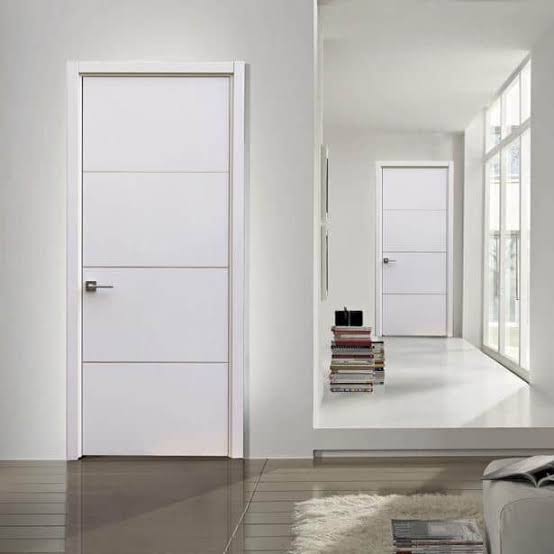
When residents of densely populated metropolitan areas embark on home renovation journeys, their attention instinctively gravitates toward high-impact surface upgrades. Custom cabinetry, luxury stone countertops, and wide-plank flooring typically command the majority of the budget and the most agonizing decision-making hours. Yet, the true architectural flow of a home is governed by an entirely different element. The transitional barriers between rooms play a profound role in shaping the daily living experience. Far from being mere functional necessities, the pathways that connect your living spaces dictate the distribution of natural light, establish critical acoustic boundaries, and cement the overarching aesthetic of your sanctuary. Elevating these components is a masterstroke in interior design, offering a transformative impact that rivals any kitchen or bathroom remodel.
The Unique Context of Metropolitan Renovations
Renovating a home in a bustling, historically layered city requires a nuanced understanding of space, light, and architectural history. The real estate market presents a staggering variety of housing typologies, from the sprawling, pre-war classic apartments characterized by long corridors and enclosed rooms, to the ultra-modern, open-concept condominiums boasting floor-to-ceiling exterior windows. This incredible diversity dictates that there is absolutely no universal solution when it comes to interior design.
For homeowners navigating this complex landscape, exploring the vast market of Interior Doors NYC is an essential step in modernizing their property. Upgrading these elements requires a delicate balance between preserving the historical integrity of older buildings and introducing contemporary functionality. A beautifully carved, solid oak panel door might perfectly complement the crown molding of a century-old townhouse, whereas a sleek, flush-mounted modern design would better serve a minimalist high-rise apartment. Understanding the localized context of your specific building is the foundation of a successful design strategy.
Harnessing Natural Light with Transparent Barriers
One of the most persistent challenges faced by urban dwellers is the scarcity of natural light. Many apartments, particularly those nestled in the middle of large residential blocks, feature windows on only one or two exterior walls. This architectural reality often leaves central hallways, interior bathrooms, and deep living spaces feeling dark, cavernous, and entirely reliant on artificial lighting throughout the day.
To combat this gloom, architects and designers frequently turn to highly strategic material choices. Incorporating glass interior doors is a brilliant, highly effective method for completely redefining the luminosity of an apartment. By replacing solid, opaque wood or composite barriers with glass alternatives, homeowners can allow natural sunlight from perimeter windows to penetrate deep into the core footprint of the home. This creates a cascading effect of light that dramatically alters the perceived scale of the space, making cramped corridors feel airy, expansive, and incredibly welcoming.
Balancing Transparency with Essential Privacy
While the introduction of glass offers undeniable benefits for illumination, it immediately raises concerns regarding privacy. Not every room can or should be visually open to the rest of the house. Bedrooms, bathrooms, and dedicated home offices require a degree of seclusion. Fortunately, modern manufacturing techniques offer a sophisticated array of solutions that perfectly bridge the gap between light transmission and visual privacy.
Clear glass is ideal for separating a living room from a dining area or a kitchen, maintaining an open-concept feel while still containing cooking odors and providing a subtle physical boundary. For areas requiring discretion, homeowners can opt for frosted, acid-etched, or sandblasted finishes. These treatments diffuse the light beautifully, creating a soft, glowing barrier that completely obscures the details of the room behind it. Furthermore, textured options like reeded or fluted glass have experienced a massive resurgence in popularity. These styles offer a distinct, mid-century modern aesthetic, providing excellent privacy through visual distortion while adding a highly tactile, architectural element to the room.
Innovative Mechanics for Spatial Optimization
Beyond the choice of materials, the operational mechanics of your doors can profoundly impact the functionality of a small footprint. In environments where every square inch is intensely valuable, the traditional swinging motion can be a massive hindrance. A standard door requires a significant clearance radius, which dictates where furniture can be placed and frequently creates awkward, unusable corners.
To reclaim this lost square footage, homeowners are increasingly adopting alternative hardware systems. Pocket doors represent the pinnacle of space-saving design, sliding effortlessly into a concealed wall cavity and disappearing entirely when not in use. When combined with glass panels, a pocket door acts as a highly dynamic architectural feature, allowing you to instantly transform a partitioned layout into a sweeping, open-concept space. For wider openings where a wall cavity is not feasible, track-mounted sliding systems or pivot doors offer stunning, contemporary alternatives that minimize the operational footprint while making a bold, luxurious design statement.
Managing Acoustics in the City That Never Sleeps
While visual aesthetics and spatial efficiency are critical, the sensory experience of a home is equally defined by its acoustics. The ambient roar of traffic, construction, and densely packed neighbors makes true quiet a rare and highly sought-after commodity.
When upgrading your space, evaluating the sound transmission class of your chosen materials is vital. Standard hollow-core doors provide virtually no acoustic insulation. While glass is excellent for light, single-pane glass also offers minimal sound dampening. If acoustic privacy is paramount—such as for a nursery or a recording studio—homeowners must seek out specialized solutions. This might include double-glazed interior panels, which trap a layer of air or inert gas between two panes to significantly reduce sound transfer. Alternatively, for completely opaque needs, solid-core wood or specialized acoustic doors provide the heavy, dense mass required to block out disruptive noise, ensuring your sanctuary remains genuinely peaceful.
Navigating the Complexities of Urban Installation
Executing a flawless installation in a dense metropolitan environment requires meticulous planning and a deep understanding of local logistics. The physical realities of pre-war architecture mean that very few doorframes are perfectly plumb, level, or square. The building has settled over the decades, creating trapezoidal openings that require highly skilled, bespoke carpentry to address. Installers must carefully scribe and shim each frame to ensure a perfect, friction-free fit.
Furthermore, the administrative hurdles can be just as demanding as the physical ones. Renovating in a co-op or condominium building inevitably involves navigating a strict set of rules. Homeowners must typically submit detailed alteration agreements to an architectural review board, secure comprehensive certificates of insurance from all contractors, and meticulously coordinate the use of freight elevators. Working with experienced, locally knowledgeable professionals who understand these bureaucratic intricacies is absolutely essential to prevent costly delays and ensure the project moves forward seamlessly.
Conclusion
The journey to create the perfect urban sanctuary requires looking beyond the obvious cosmetic upgrades to address the foundational elements that dictate how a space truly functions. Interior doors are the literal and figurative gateways of your daily life. By thoughtfully selecting materials, exploring innovative operational mechanics, and prioritizing both light transmission and acoustic privacy, you possess the power to radically transform your environment. Moving away from standard, opaque builder-grade units in favor of dynamic, customized solutions not only modernizes the aesthetic of your property but drastically improves your everyday comfort. Ultimately, upgrading your entryways is a profound investment in the architecture of your home, ensuring that your living space flows beautifully, breathes easily, and provides the exact balance of openness and sanctuary that modern city living demands.


 Williams