Rolando Corley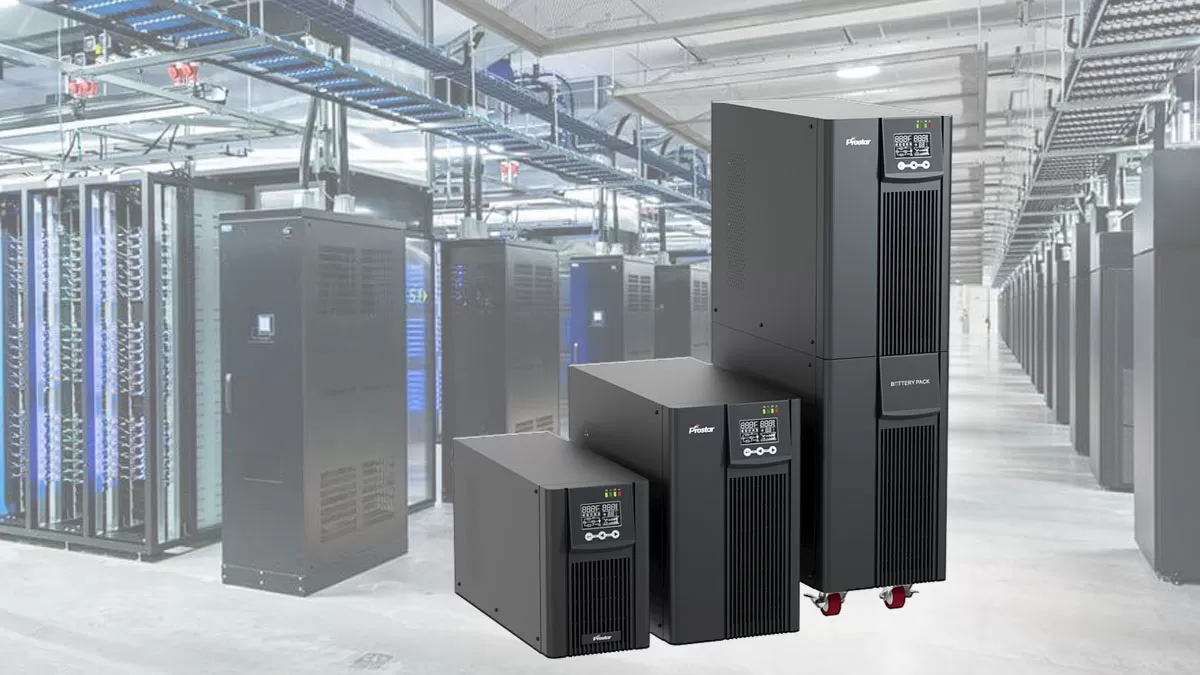
A dependable double conversion ups plays a crucial role in safeguarding critical systems from power instability, ensuring uninterrupted operation across a wide range of industries. As digital transformation accelerates and organizations rely increasingly on sensitive electronic equipment, maintaining clean, consistent power has become a fundamental requirement. To explore how this technology functions and why it has become so widely adopted, an example of its application can be viewed here: double conversion ups. This foundational understanding highlights why the double conversion architecture remains the most trusted form of power protection available today.
Why Modern Infrastructure Requires Robust Power Protection
Today’s organizations are built upon digital ecosystems that must operate around the clock. Data centers, hospitals, telecommunications networks, manufacturing plants, and financial institutions all depend on continuous electrical supply to perform mission-critical tasks. Even a brief loss of power can lead to data corruption, hardware failures, service interruptions, and long-term damage. Voltage fluctuations, surges, dips, and electrical noise also threaten the lifespan and performance of sophisticated technology. A double conversion UPS shields equipment from these disruptions by delivering constant, stable power regardless of what happens on the main electrical grid. As equipment becomes more advanced and more sensitive, the demand for high-quality power protection continues to grow, making this technology indispensable.
How Double Conversion Technology Works
The defining characteristic of a double conversion UPS is its ability to process power through two stages of conversion. Incoming AC power is first converted to DC, allowing the system to regulate voltage, filter impurities, and eliminate electrical noise. The DC power is then converted back into a stable AC output that feeds the connected equipment. This process occurs continuously, meaning the load always receives power from the inverter. Because the inverter is always online, there is no transfer delay during an outage. When the utility power fails, the system seamlessly relies on the battery to maintain the inverter’s output. This uninterrupted process ensures absolute continuity, making double conversion UPS systems the preferred choice for environments where even a millisecond of disruption is unacceptable.
The Importance of Clean and Conditioned Power
Electrical grids are inherently unstable. Weather events, industrial machinery, switching operations, and infrastructure aging can all contribute to inconsistent voltage. Sensitive electronics require a steady and predictable flow of electricity, and any deviation can impair performance or cause damage. A double conversion UPS continuously filters the incoming power, delivering a refined output with consistent voltage, proper frequency, and minimal distortion. This protects equipment from overheating, malfunctioning, or prematurely failing due to poor power quality. In industries where accuracy and reliability are paramount, clean power is not just an advantage; it is a necessity.
Why Zero Transfer Time Matters
Certain equipment cannot tolerate even the briefest interruption in power. Servers, laboratory instruments, life-support devices, broadcasting systems, and industrial control mechanisms require absolute continuity. In many UPS architectures, a short delay occurs as the system switches from utility to battery power. While this delay may be only milliseconds, it can still disrupt sensitive processes. A double conversion UPS eliminates this risk entirely because the output is always supplied by the inverter. When the power fails, the battery simply continues feeding the inverter without any detectable transition. This uninterrupted supply enhances system stability and supports environments that cannot afford downtime under any circumstances.
Battery Performance and Runtime Flexibility
Batteries form the heart of any UPS, and double conversion systems are designed to maximize battery effectiveness. Because the inverter maintains a consistent load on the battery, the battery experiences less stress than it would under fluctuating voltage conditions. This consistency helps prolong battery lifespan and ensures predictable performance during outages. Organizations can customize their runtime by adding battery modules based on their operational needs. Whether the requirement is to sustain systems for a few minutes until a generator starts or for several hours during extended outages, the flexibility of battery configurations makes the double conversion UPS a versatile solution for enterprises of all sizes.
Scalability and Adaptability for Growing Operations
As businesses expand, their power demands inevitably increase. Additional servers, communication systems, automated machinery, and digital platforms all draw more energy and require reliable protection. Double conversion UPS systems are often designed with modularity in mind, enabling companies to increase their capacity without replacing the entire system. Modular design also simplifies maintenance, as technicians can service individual modules without interrupting the protected load. This adaptability ensures that organizations can grow sustainably while maintaining the highest levels of power protection.
Protecting Sensitive Equipment Across Industries
Different industries have their own unique challenges and operational requirements. Medical facilities rely on precision instruments that must operate without disruption. Financial institutions process massive volumes of transactions where even a momentary loss of power could be disastrous. Data centers manage information for millions of users and depend heavily on stable environments. Manufacturing plants operate automated systems that require accuracy and consistency. For each of these sectors, a double conversion UPS provides a level of protection that cannot be matched by simpler UPS technologies. By delivering consistent voltage and frequency, it ensures that critical devices function within their optimal parameters at all times.
Maximizing Equipment Lifespan and Reducing Long-Term Costs
Consistent power quality helps extend the lifespan of servers, switches, industrial machinery, and other technical equipment. When systems are protected from voltage spikes, surges, and harmonics, they experience fewer failures and require less maintenance. This reduces operational costs and minimizes the risk of unexpected downtime. Although the initial investment for a double conversion UPS may be higher than other UPS types, the long-term savings from reduced repairs, fewer replacements, and uninterrupted productivity often outweigh the upfront cost. For organizations focused on long-term stability and budget management, the financial benefits are significant.
Ensuring Operational Uptime and Business Continuity
One of the most important roles of a double conversion UPS is its contribution to business continuity. Unplanned outages can interrupt services, cause data loss, delay operations, and impact customer trust. By guaranteeing continuous power, the UPS acts as a protective shield, ensuring that operations remain online even under adverse conditions. This reliability is essential for organizations where uptime is directly tied to revenue, productivity, compliance, and customer satisfaction. With robust technological advancements, double conversion systems now offer higher efficiency, remote monitoring, and predictive maintenance, all of which strengthen their contribution to organizational resilience.
The Future of Double Conversion UPS Technology
Innovation continues to advance the capabilities of double conversion UPS systems. Modern designs emphasize energy efficiency, reduced heat generation, and intelligent control systems. Many incorporate connectivity features that allow administrators to monitor performance remotely, analyze trends, and anticipate potential issues before they escalate. Efforts to integrate renewable energy and align with sustainability goals are also shaping next-generation UPS designs. As technology evolves, the double conversion architecture remains the foundation for delivering the highest-quality power protection and will continue to adapt to new demands.
Choosing the Right Double Conversion UPS
Selecting the ideal double conversion UPS requires assessing load requirements, runtime expectations, environmental conditions, and long-term growth plans. Organizations should consider scalability, monitoring features, efficiency ratings, and support options when evaluating systems. Understanding operational priorities ensures that the chosen UPS aligns with both present and future needs. Exploring a double conversion ups link alternatif can provide additional insight into various models and configurations, helping organizations make informed decisions.
Conclusion: Why Double Conversion UPS Remains the Gold Standard
In an era where digital operations, automation, and connectivity shape nearly every industry, ensuring reliable and consistent power is essential. A double conversion UPS provides unmatched protection by offering seamless operation, superior conditioning, and complete isolation from grid disturbances. Its ability to safeguard critical equipment, support business continuity, and adapt to evolving needs makes it an indispensable asset for modern infrastructure. By investing in the right UPS solution, organizations strengthen their resilience, protect their technology, and enhance long-term performance.